Pasture Best Management Practices
Livestock and agriculture have a deep foundation in the San Juan Watershed—nearly 26 percent of pastures and 63 percent of croplands in the Animas Valley are within a mile of the Animas River. Ranchers and farmers have used the river to irrigate and provide a water source for cattle for generations. While supporting our agricultural community is important, investing in our waterways to reduce the excess leaching of bacteria and nutrients into surface waters through grant-funded management planning and technical advice is paramount.
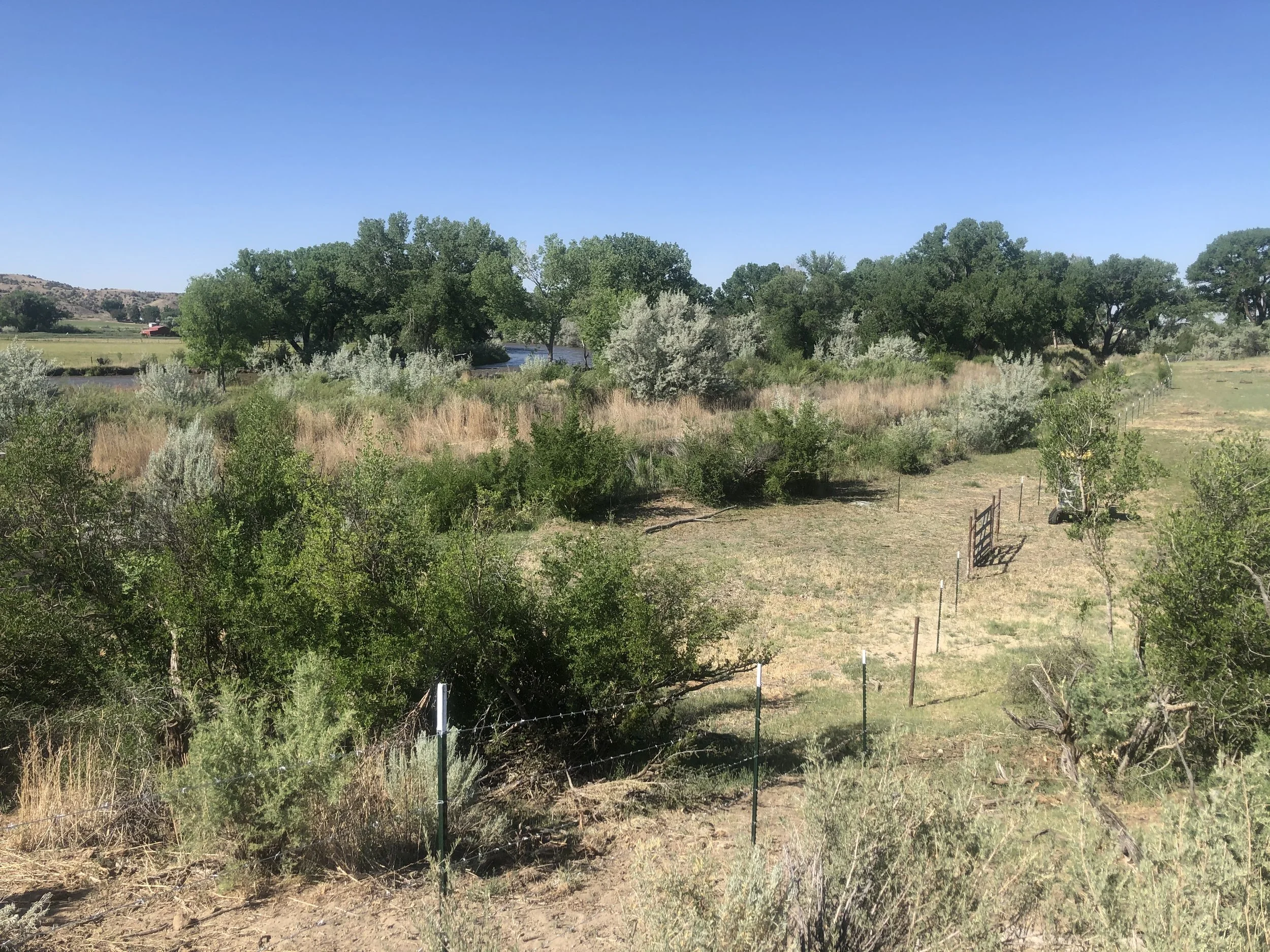
The San Juan Watershed Group and its partners worked closely with agriculturalists to improve soil, riparian, and overall pasture health by incorporating best management practices into their property management plans. These practices prevent contaminants from entering water supplies, protecting river health and availability for future use.
Multiple conservation practices protect the watershed from pollutants:
Grazing management: riparian exclusion fencing and rotational grazing
Soil health: cover crop seeding and irrigation infrastructure improvements
Water protection: alternative livestock water sources
Habitat: native and pollinator plantings along pasture borders and filter strips